

By Harper Perez
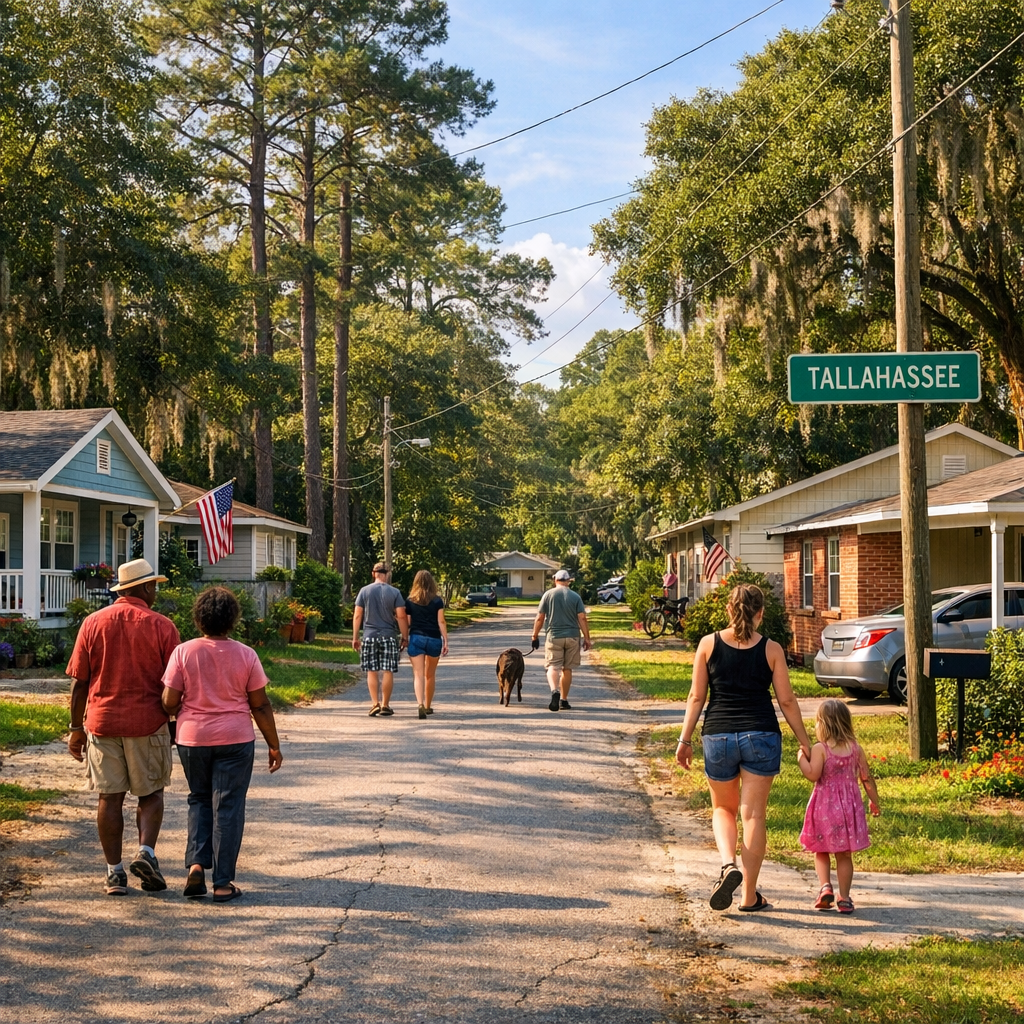
What does it really cost to belong in Tallahassee? To plant roots, send kids to school, get from work to home—these once-simple things now come with swirling financial worries. Our city’s housing landscape, its programs, and our everyday decisions reflect more than just personal preference. They show what it means to be part of this place.
The Reality Behind the Figures
Housing costs in Tallahassee have not just crept—they have leapt. Median home values and monthly rents have risen, while wages haven’t kept pace. A growing share of renters now spend over 30% of their income on housing costs alone—a threshold experts say signals financial vulnerability. For those below the median household income, weekly budgets often must juggle housing, health care, groceries, utilities, and transportation. ULTRA-low and very low-income households are increasingly squeezed.
What Our City Is Doing
The city has layered in tools to ease this pressure. Under its strategy & reports framework, Tallerassee is supporting new construction of affordable units, preserving existing homes, rehabilitating older housing stock, and targeting federal and state resources to neighborhoods in need. These measures aim to protect residents already cost-burdened while opening doors for those striving to become homeowners. Program examples include inclusionary housing policies and down-payment assistance.
The Missing Stories
Yet policy lines and budget tables seldom show what it’s like to stretch every dollar. A single parent choosing between staying in a job that’s far from home or moving to a now-unaffordable neighborhood. A teacher who can’t find a rental unit near work. A retiree who has insurance and savings but still doesn’t know what life looks like without a monthly rent check that feels like a penalty. These voices are too seldom standard in the public narrative.
A Call for Collective Action
No one solution will fix this alone. It will take developers open to flexible zoning, institutions partnering on subsidies, neighbors supporting each other, and policymakers listening—not just when hearings are scheduled, but in everyday conversation. We need public investment, sure—but also empathy. Local leaders, business owners, educators, and landlords all have a role to play.
Belonging in Tallahassee isn’t just about having an address. It’s about being able to imagine a future here. And making that future real for everyone, regardless of income, should be our shared work.